
The cultural significance of casinos a deep dive into their societal roles
The Historical Evolution of Casinos
Casinos have a rich history that dates back centuries, evolving from ancient gambling establishments in Italy and France to the modern entertainment hubs we see today. Initially, these venues served primarily as social gathering places where people engaged in various forms of gaming, often reflecting the cultural practices and social hierarchies of their times. The establishment of formal casinos in the 17th century marked a turning point, as they began to be recognized as legitimate businesses, thus contributing to the economy and social fabric of their communities. Today, players can find a variety of gaming options, including the evolving trend ofno verification casino platforms that prioritize user privacy.

Over time, casinos transitioned from being exclusive to the elite to becoming accessible to the general public. This democratization of gambling has not only shaped the gambling landscape but has also influenced cultural perceptions of risk and reward. As casinos began to proliferate, they became symbols of both fortune and folly, embodying the allure of chance in society.
The Role of Casinos in Modern Society
In contemporary culture, casinos serve as multifaceted institutions that go beyond mere gambling. They are often seen as entertainment complexes that offer a plethora of activities, including dining, live performances, and nightlife. This transformation into entertainment hubs has redefined their role in society, making them central to tourism and local economies. Many cities, particularly those known for their vibrant nightlife, have integrated casinos into their cultural identity, positioning them as essential attractions for both locals and tourists alike.
The presence of casinos can also stimulate economic growth by creating jobs and generating tax revenue for local governments. As a result, many communities have come to view casinos as a vital component of economic development, despite the ongoing debates regarding the social costs of gambling. This duality highlights the complex relationship between casinos and society, where benefits and drawbacks coexist.
Social Interactions and Community Building
Casinos act as social melting pots, where people from various backgrounds converge. The environment fosters interaction among individuals, helping to break down social barriers. Through games and entertainment, players forge connections, share experiences, and engage in a communal atmosphere, contributing to a sense of belonging. This aspect of casinos can promote social cohesion, providing a space where people can escape their daily routines and immerse themselves in a different social setting.
Moreover, the role of casinos extends to community involvement and philanthropy. Many establishments participate in charitable initiatives and local events, reinforcing their commitment to the communities they inhabit. Such efforts can enhance their image and demonstrate a sense of responsibility, showing that they are more than just profit-driven entities; they can be catalysts for positive change within society.
Cultural Perceptions and Stigmas Surrounding Gambling
The cultural significance of casinos is often clouded by varying perceptions of gambling. While many view casinos as exciting venues for entertainment and social engagement, others regard them with skepticism, associating gambling with addiction and economic hardship. These contrasting views are shaped by cultural, social, and personal beliefs, leading to a complex stigma surrounding gambling.
This stigma can influence the policies surrounding casinos, affecting legislation and community attitudes. In regions where gambling is viewed negatively, casinos may face restrictions or heightened scrutiny. Conversely, in areas where gambling is embraced, casinos can thrive and contribute positively to local culture. The ongoing dialogue about the moral implications of gambling continues to shape the identity of casinos within society.
The Future of Casinos in a Digital Age
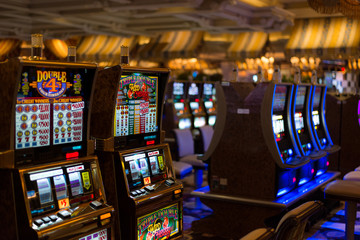
The advent of technology has dramatically reshaped the casino landscape, ushering in a new era of online gambling. As digital platforms become increasingly popular, traditional casinos are compelled to adapt to changing consumer preferences. The integration of technology within physical casinos—through mobile gaming apps and digital loyalty programs—marks a significant shift in how people interact with these establishments.
This evolution raises questions about the future roles of casinos in society. Will they maintain their status as social hubs, or will they transform into more isolated, technology-driven environments? Regardless, the ongoing adaptation to technological advancements highlights the resilience of casinos and their ability to remain relevant in a rapidly changing world.
